
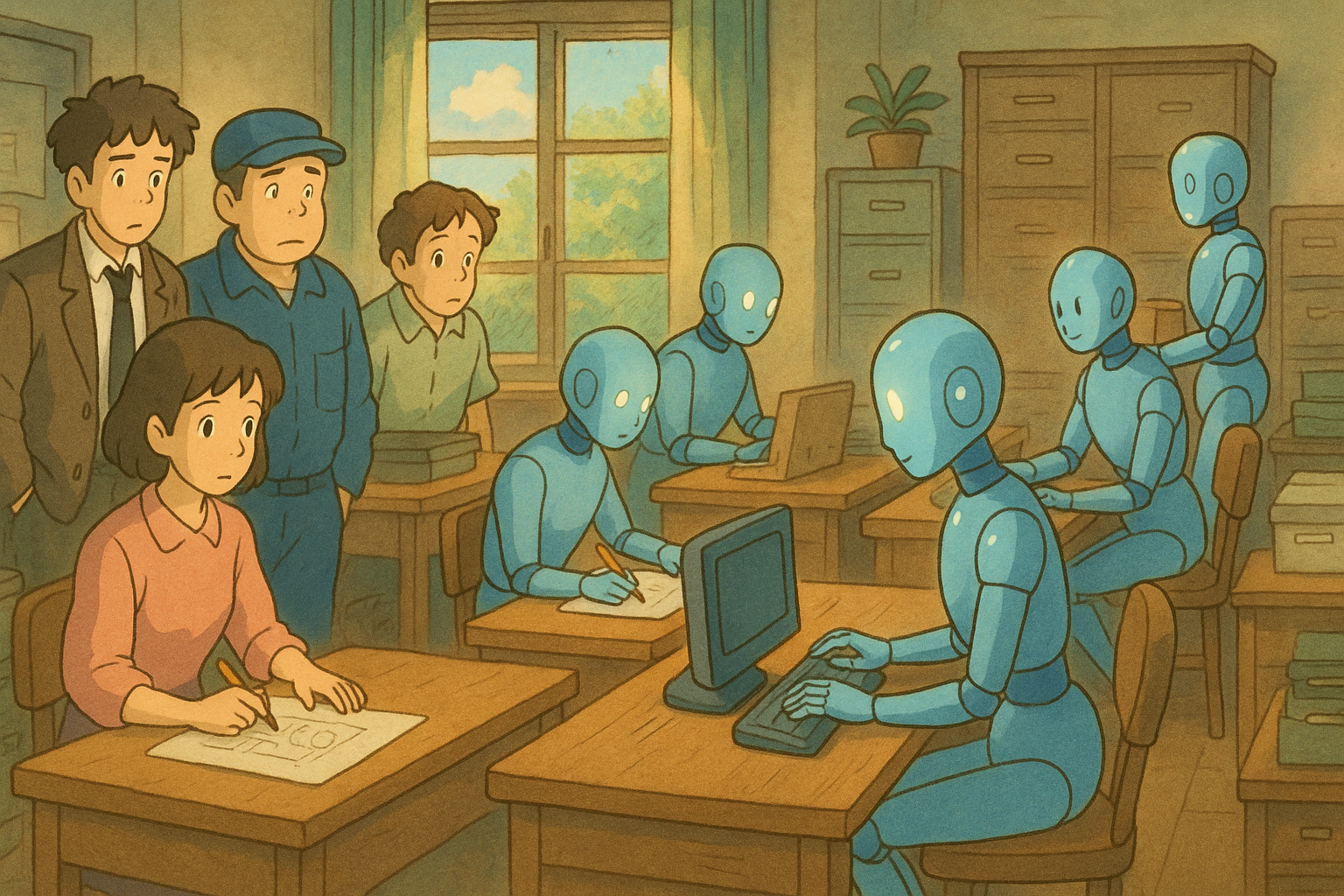
AI is now at the core of how many businesses operate.
In 2025, companies across different industries are turning to automation and AI to handle tasks once done by humans. From fintech and logistics, to language learning apps and tech giants, businesses are streamlining operations to be faster, more cost-effective and available 24/7.
So, what’s happening? Let’s take a look at how Klarna, UPS, Duolingo, Intuit and Cisco are adopting AI and what that might mean for the future of work.
Klarna: Customer Service Gets an AI Upgrade
Klarna, the Swedish fintech company best known for its buy-now-pay-later service, cut 1000 jobs (about 10% of its workforce) in 2024. The shift was part of its growing use of AI.

Sebastian Siemiatkowski - co-founder and chief executive officer of Klarna.
They introduced an AI assistant that now does the work of 700 full-time employees, especially in customer service – answering questions, processing transactions and handling refunds.
Klarna’s CEO has even mentioned that AI could handle his job one day. Their aim is to simplify:
- Operations;
- Reduce costs;
- Improve customer experience.
UPS: A Delivery Giant Adopts Automation
UPS announced plans to lay off 20,000 employees and close 73 locations, one of the largest shifts in its 116-year history. This is part of their “Network of the Future” strategy, which involves AI and automation.
While UPS says AI isn’t the direct cause of the layoffs, tools like machine learning are helping with delivery route optimisation and automating proposal generation. These technologies are helping UPS cut costs and improve efficiency.
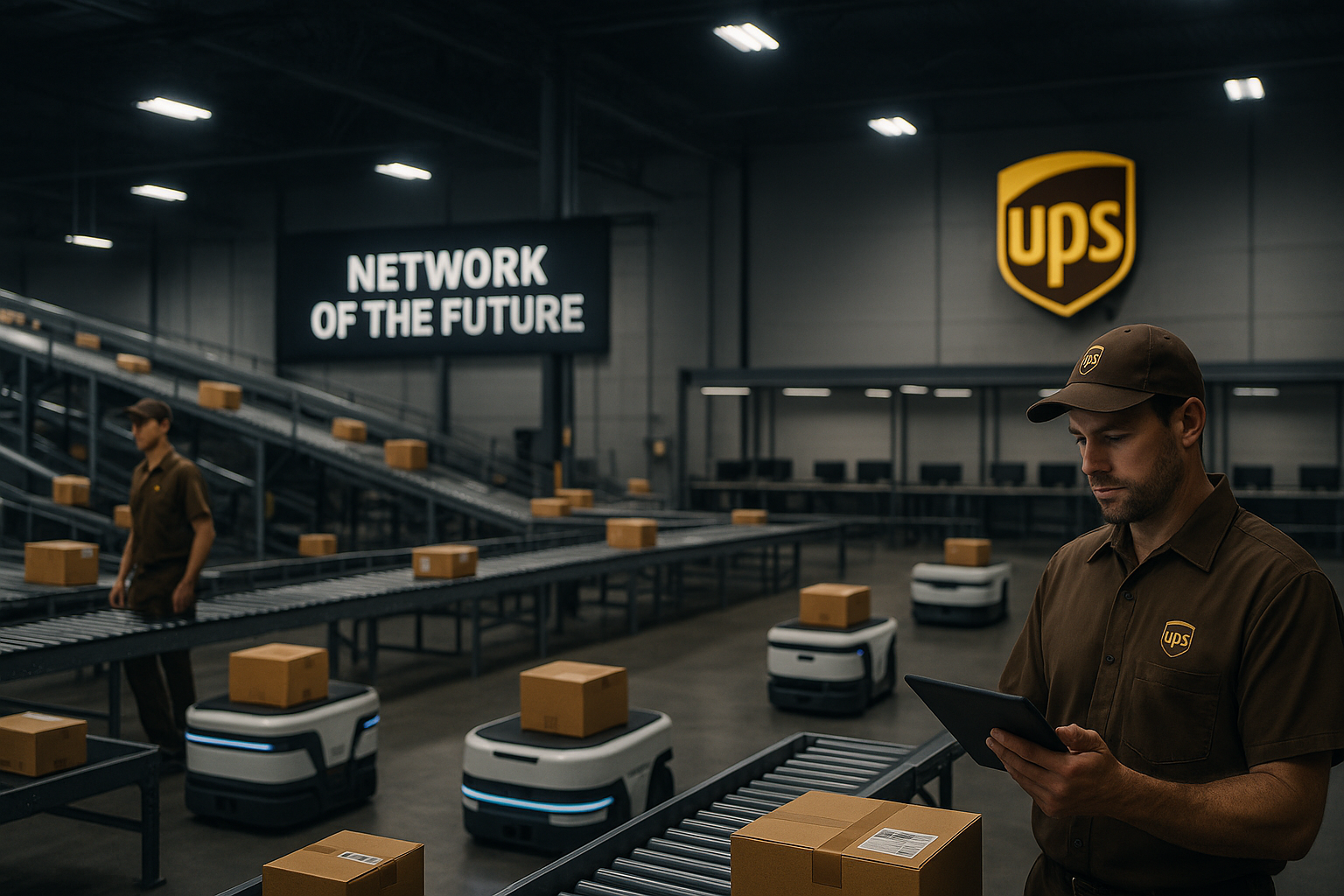
UPS automating delivery with AI in its “Network of the Future.
Duolingo: Learning languages with help from AI
Duolingo, the language-learning app many people use, is now focusing on an “AI-first” strategy. In 2025, the company ended contracts with about 10% of its external workforce and began using AI to translate course materials.
With over 148 new AI-generated courses launched, Duolingo says it can now deliver content more quickly. CEO Luis von Ahn also said AI will be used for hiring and performance reviews. No full-time employees were laid off, but there’s a clear shift away from human translators.

Duolingo cofounder and CEO Luis von Ahn. Photo: Getty Images
The impact of AI on jobs in 2025
AI is changing how companies work, and that’s also changing jobs. Businesses are becoming more efficient, which often means fewer roles for people, especially when it comes to repetitive tasks.
But it’s not all bad news. As some roles are automated, new ones are appearing, especially for people with AI skills or who can work alongside new technologies. Learning how to use these tools, building new skills, and staying curious can help you stay ahead.
Conn3cted believes AI should enhance human work, not replace it. Automation can take care of the repetitive stuff so people can focus on what matters most – creativity, big ideas and solving real problems. That’s where real impact happens.
Want to future-proof your business and embrace what AI can do for you? Reach out to us at Conn3cted. We help companies become AI-powered, efficiently and responsibly – so you can innovate, grow and stay competitive in a fast-changing world.