

The success of AI and software depends on more than innovation. It depends on how well that innovation is communicated.
Marketing and social media shape how people understand technology, yet their role is often underestimated.
They are frequently seen as tools for visibility, used to promote products, build awareness, or maintain an online presence. In reality, their influence goes much further.
Every marketing activity shapes how technology is interpreted. It determines whether complex ideas feel accessible or overwhelming, and whether people engage with new tools confidently or avoid them altogether.
As AI and software continue to evolve rapidly, the gap between innovation and understanding is growing. Technology is advancing faster than the way it’s being communicated.
That gap defines adoption.
For our marketing team, communication sits at the centre of how we think about technology.
Technology only creates value when people understand it. That understanding is created through technology communication. On World Social Media Day, it’s worth calling this out, because the way we communicate technology is now just as important as the technology itself.
Marketing is no longer about attention
Getting attention isn’t the challenge anymore.
People are constantly exposed to AI tools, software and new features.
The problem is that most of it doesn’t register. It doesn’t stick.
It doesn’t lead to action.
Why? Because it’s not clear enough.
Marketing today isn’t about being seen, but being understood.
That’s where the real work is: turning something complex into something people can quickly grasp and actually use.

Technology communication is the real bottleneck
Technology communication connects technical capability with human understanding – it brings structure to complexity and makes information usable.
Strong communication focuses on:
- clear outcomes
- relevant use cases
- direct language
- practical value
People engage more easily when they can quickly understand what a product does and how it fits into their work or daily life.
Clarity supports confidence. Confidence supports adoption.
Social media demands simplicity
Social media has changed how information is consumed.
People expect messages to be clear, immediate and easy to understand. Attention is limited, and there is little tolerance for complexity or unnecessary detail.
This has elevated the importance of communication. Every post, caption and campaign becomes a measure of how effectively an idea can be explained. The feedback is immediate, revealing what resonates and what doesn’t.
For technology companies, the lesson is clear: complexity must be translated into clarity.
As AI and software continue to evolve, simple communication is no longer optional. It is essential.

Emily Garcia
Co-founder & CXO | Conn3cted

Elisa Pizzin
Marketing Specialist | Content Creator

Monika Kuzmanovska
Marketing Specialist | Content Creator

Matija Marinovic
Marketing Executive | Customer Success
Marketing specialists drive this process
Simplicity is one of Conn3cted’s core values.
It shapes how products are designed, how they are built, and how they are communicated.
Whether it’s conn3ctedAI, Little Big Shop, or any solution we develop, the goal stays consistent: make complex systems easier to understand and easier to use.
That level of simplicity doesn’t happen by default. It is created intentionally. Marketing specialists play a central role in that process. They work across teams, translating technical detail into clear and consistent messaging that reflects the product experience itself.
Their responsibilities include:
- interpreting complex information
- structuring it into accessible content
- aligning messaging across platforms
- refining communication based on feedback
- maintaining clarity at every stage
Their work ensures that what people see, read and hear about a product matches how simple it feels to use.
Simplicity is not just a feature of the product.
It is built into the way the product is communicated.
The role of Technology communication
Featured Headlines
Check out the latest news from Conn3cted
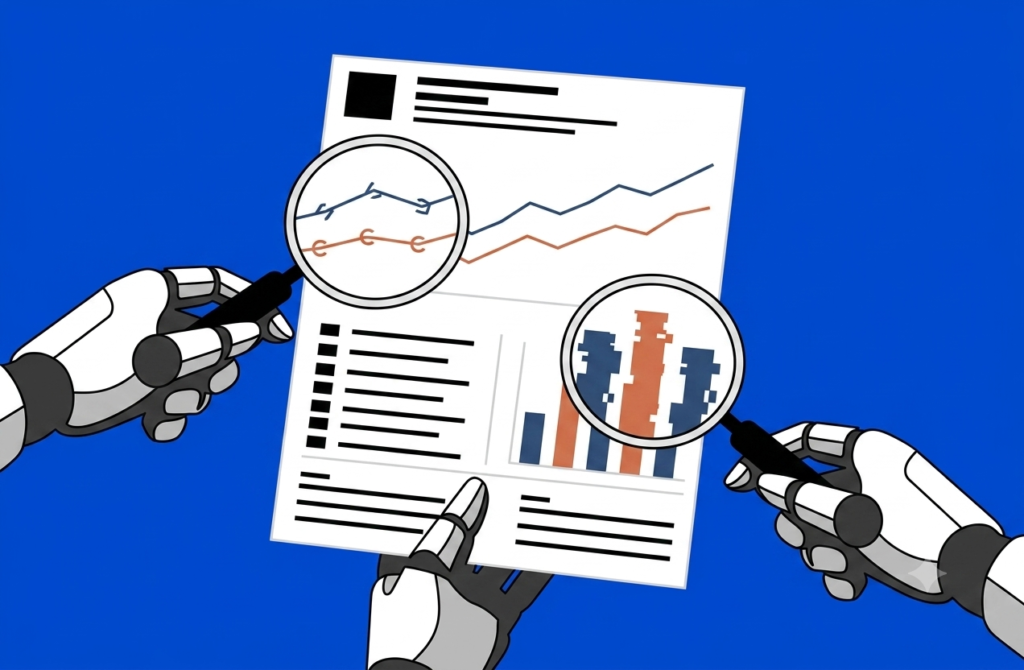
AI mistakes and when AI goes wrong: what every user needs to understand

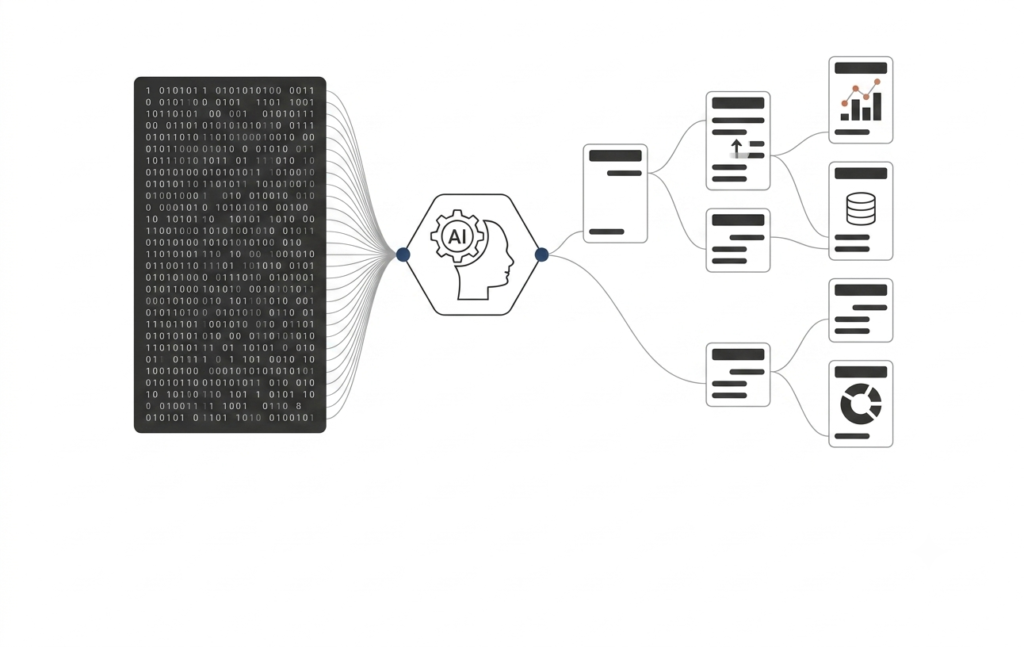
Automation processes: what works, what doesn’t, and what we’ve learned