
AI tools are everywhere, but most aren’t built for real software teams.
For developers, the tools that matter are the ones that slot into existing workflows, reduce friction and help teams ship reliable products faster.
Below are 15 AI apps and platforms that are shaping how modern software is built in 2026, not because they’re trendy, but because they’re genuinely useful.
conn3ctedAI
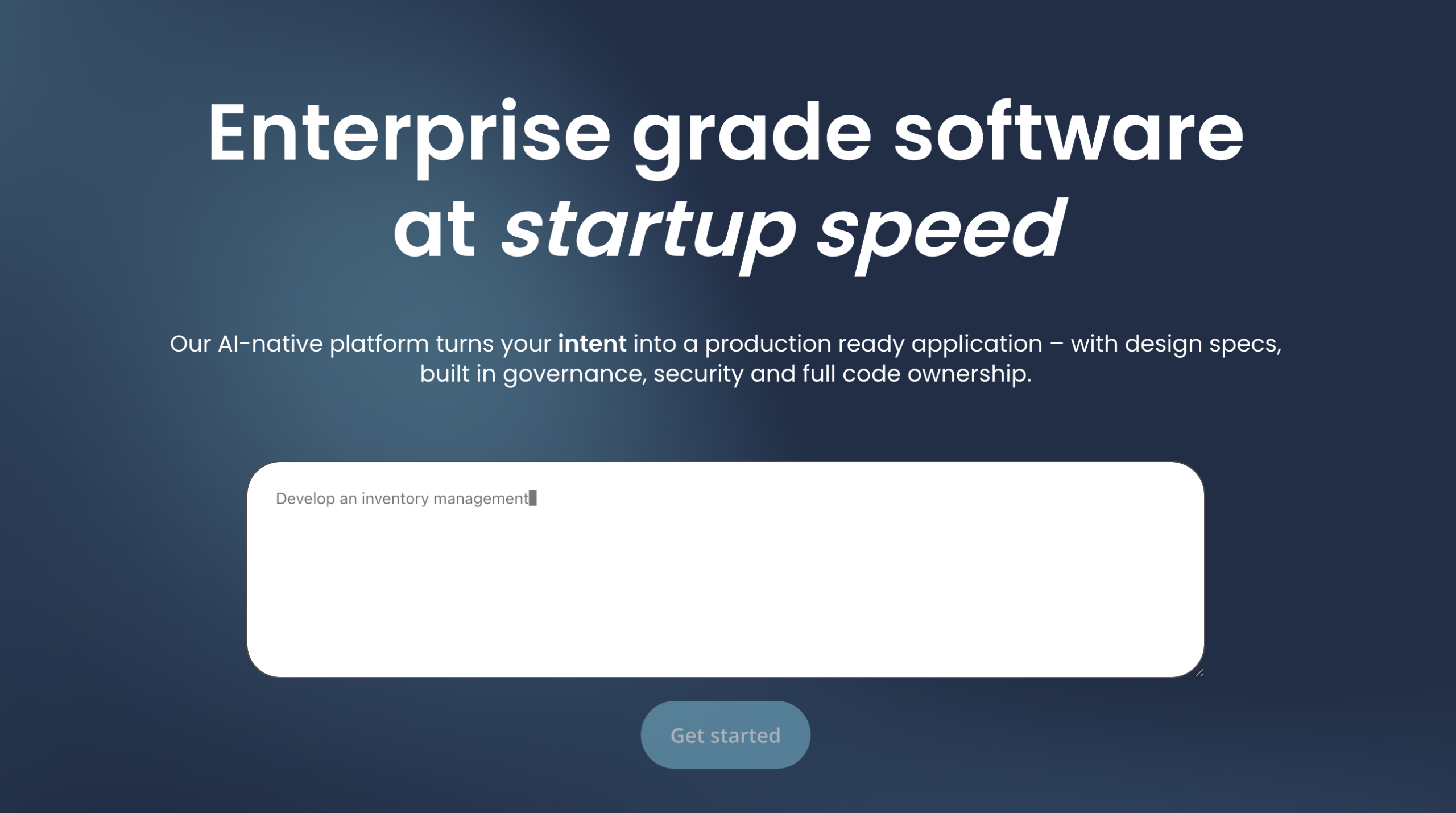
Most AI tools help developers write code faster. conn3ctedAI focuses on what comes before – turning vague ideas into well-defined, buildable software.
For developers, the hardest part of many projects isn’t implementation. It’s unclear requirements, shifting scope, missing specs and poorly defined handovers. conn3ctedAI addresses this by generating structured engineering artefacts before a single line of code is written.
Developers can describe what they want to build, for example, a project workflow application with tasks, milestones and progress tracking.
conn3ctedAI produces:
- Design specifications developers can actually work from
- Epics and user stories with acceptance criteria and complexity
- A clear, traceable path from intent to implementation
- Production-ready code which teams can extend on
Instead of replacing developers, conn3ctedAI behaves more like a highly disciplined technical teammate. It removes ambiguity, enforces consistency, and reduces the back-and-forth that slows teams down once development has already started.
The platform is also built with enterprise realities in mind, governance, security, access control and shared environments, so developers don’t have to retrofit these concerns later.
Claude Code
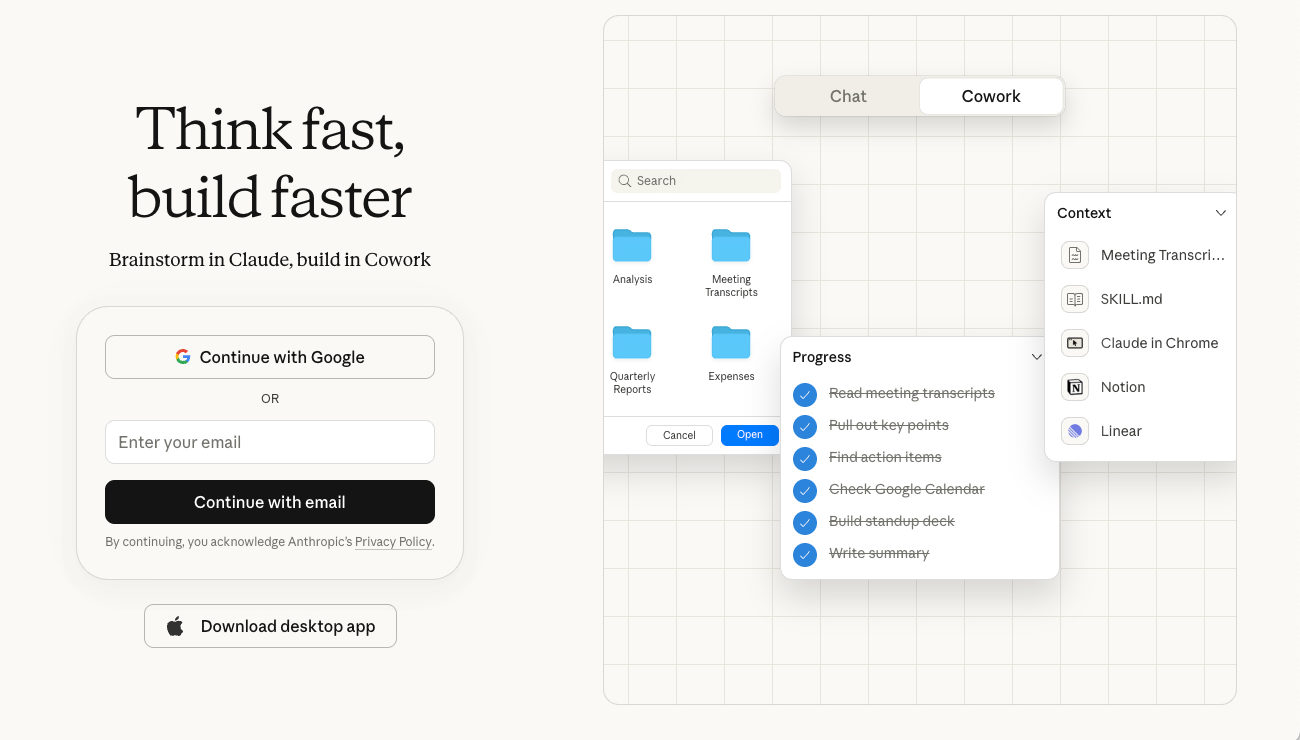
Claude Code brings AI directly into the terminal, where many developers already spend most of their time. It can read code, suggest fixes, and automate tasks, saving time on repetitive coding.
Cursor
Cursor is an AI-native code editor designed around understanding your entire codebase, not just individual files.
Instead of generating snippets, Cursor helps developers refactor, debug and evolve real projects across multiple files and layers.
LangGraph
LangGraph lets you build AI “agents” that can follow steps and make decisions.
Think of it like creating AI helpers that can carry out tasks automatically.
Temporal
Temporal makes sure long-running tasks in apps don’t fail.
For example, if an AI process has to handle many steps, Temporal keeps everything reliable and on track.
Vercel AI SDK
Vercel AI SDK makes it easy to add AI to websites and apps.
It handles the hard parts of streaming responses and interactive features.
Pinecone
Pinecone is a database for AI, storing information in a way that AI can search quickly.
Use it for smart search, recommendations, and AI-powered apps.
Weaviate
Weaviate is similar to Pinecone but open-source.
It’s good if you want full control over your AI data.
Continue.dev
Continue.dev is an AI coding assistant that works inside your code editor.
It helps you write, debug, and test code faster using any AI model you like.
OpenPipe
OpenPipe helps developers turn AI experiments into reliable apps.
It makes sure AI outputs are consistent and safe for production.
Supabase AI
Supabase AI adds AI features to your backend.
You can use it for smart search, automated queries, and AI-driven apps without complicated setup.
Trigger.dev
Trigger.dev automates tasks that happen in the background of your apps.
It can trigger AI agents to process events automatically, saving time.
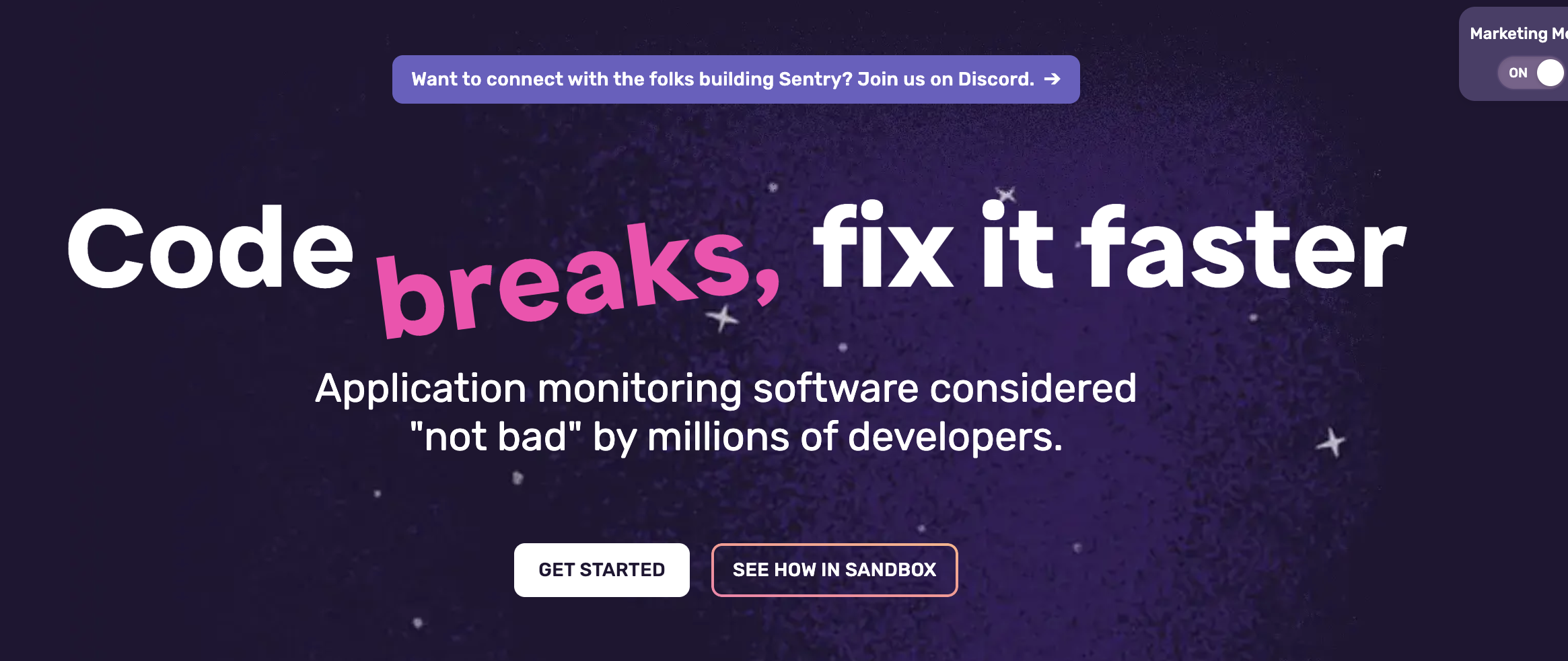
Sentry AI
Sentry AI watches your apps for errors and uses AI to suggest fixes. It helps teams catch problems faster and improve reliability.
AI tools are becoming part of everyday software development – not as replacements, but as quiet enablers in the background.
The tools that last won’t be the loudest or the most impressive on launch day. They’ll be the ones that fit naturally into real workflows, help teams make better decisions and remove friction from day-to-day development.
As software continues to evolve, AI works best when it supports good engineering habits rather than trying to replace them. That’s when it stops feeling like a trend and starts becoming part of how software is actually built.
That’s where real progress happens.