Automate the process, not the problem
Over 20 years of building custom software and integrating complex enterprise systems, we’ve seen what makes automation successful — and what gets in the way.
The difference rarely comes down to the technology itself. It comes down to understanding the business problem, the process and the people involved before deciding what to automate.
Here’s how we approach it.
Understand the process before you automate it
Before we automate anything, we start by understanding the current process: how people work, where the friction is, which systems are involved and what needs to improve.
That matters because automation doesn’t fix an inefficient or inconsistent process. It can simply make the same problems happen faster and at greater scale.
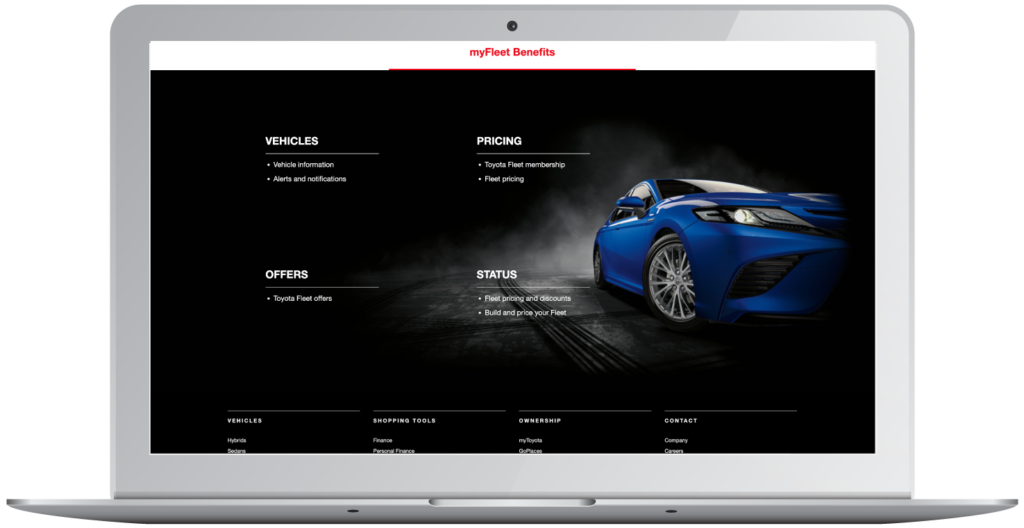
When we built Toyota myFleet — a multi-tenant CRM platform managing thousands of Toyota’s business fleet customers — a significant part of the work was modernising and automating the business processes that sat underneath it. Before we could automate anything, we had to map out the full picture: the people, the processes, and the systems involved. That groundwork became the foundation for a platform that now supports around 50% of Toyota Australia’s vehicle sales and has been recognised by Toyota Motor Corporation in Japan as global best practice for fleet management..
Automation works best when it's targeted

Not everything should be automated. The best opportunities for automation are often repetitive, rules-based and high-volume tasks — areas where consistency matters and manual effort adds limited value.
A good example from our work is the Toyota Parts Centre project. We built a virtual warehouse system to help Toyota consolidate their Sydney and Melbourne parts operations: a facility managing 50 million units across 2 million distinct parts.
The system automated the scanning of parts into a virtual location, calculated destination locations automatically, and managed inventory across the entire operation. Without that targeted automation, the scale simply wouldn’t have been manageable.
The automation had a clear purpose: solve a specific, well-understood operational problem at scale.
The lesson: time spent understanding a process before automating it isn’t overhead. It’s the work.
Good automation keeps people in control
Removing manual work shouldn’t mean removing visibility or accountability.
Good automation makes it clear what’s happening, what triggers each action and where human intervention is needed. Exceptions have defined handoff points. Reporting shows what’s running and how it’s performing. And the right people remain accountable for the outcome.
The goal isn’t simply fewer people in the process. It’s a better process, with people focused where they add the most value.
When rules aren't enough
Traditional automation works well when inputs and outcomes are predictable. But many business processes involve variation, context and decisions that can’t be captured effectively in a fixed set of rules.
That’s where AI can expand what’s possible.
AI can interpret less structured information, recognise patterns and respond to variation in ways that conventional rules-based automation cannot. But that doesn’t mean every process needs AI. The question is whether AI is the right tool for the problem.
We apply the same thinking to the way we build software.
Over years of delivering complex enterprise applications, we saw how much development time was spent repeatedly creating the foundations every application needs: architecture, data models, security, user roles and core application logic.
We built conn3ctedAI to accelerate that work. It helps our team generate and configure those foundations faster, giving our developers more time to focus on the business-specific challenges where their experience and judgement create the most value.
VirtualHQ is one example. It’s a complex platform combining a customer portal with advanced customer service functionality across multiple user roles. Using conn3ctedAI as part of our development approach helped us deliver the platform faster than a conventional build would have allowed.
The value isn’t AI for its own sake. It’s using AI where it can help us deliver better outcomes for our clients.
Start with the problem, not the technology
Good automation isn’t about automating as much as possible. It’s about knowing what to automate, what not to automate, and which technology is right for the job.
Sometimes that’s straightforward process automation. Sometimes it means integrating existing systems. Sometimes AI can handle complexity that traditional rules can’t. And sometimes the right answer is to improve the process before introducing any new technology at all.
After 20 years of solving complex technology problems for enterprise organisations, that’s still where we start:
understand the problem, then design the right solution.
If you’re looking at where automation or AI could make a meaningful difference in your business, talk to us.
AI for business: strategy first, solutions second
Read More
The bar just got higher on LinkedIn: here’s what that means for tech brands
Read More