
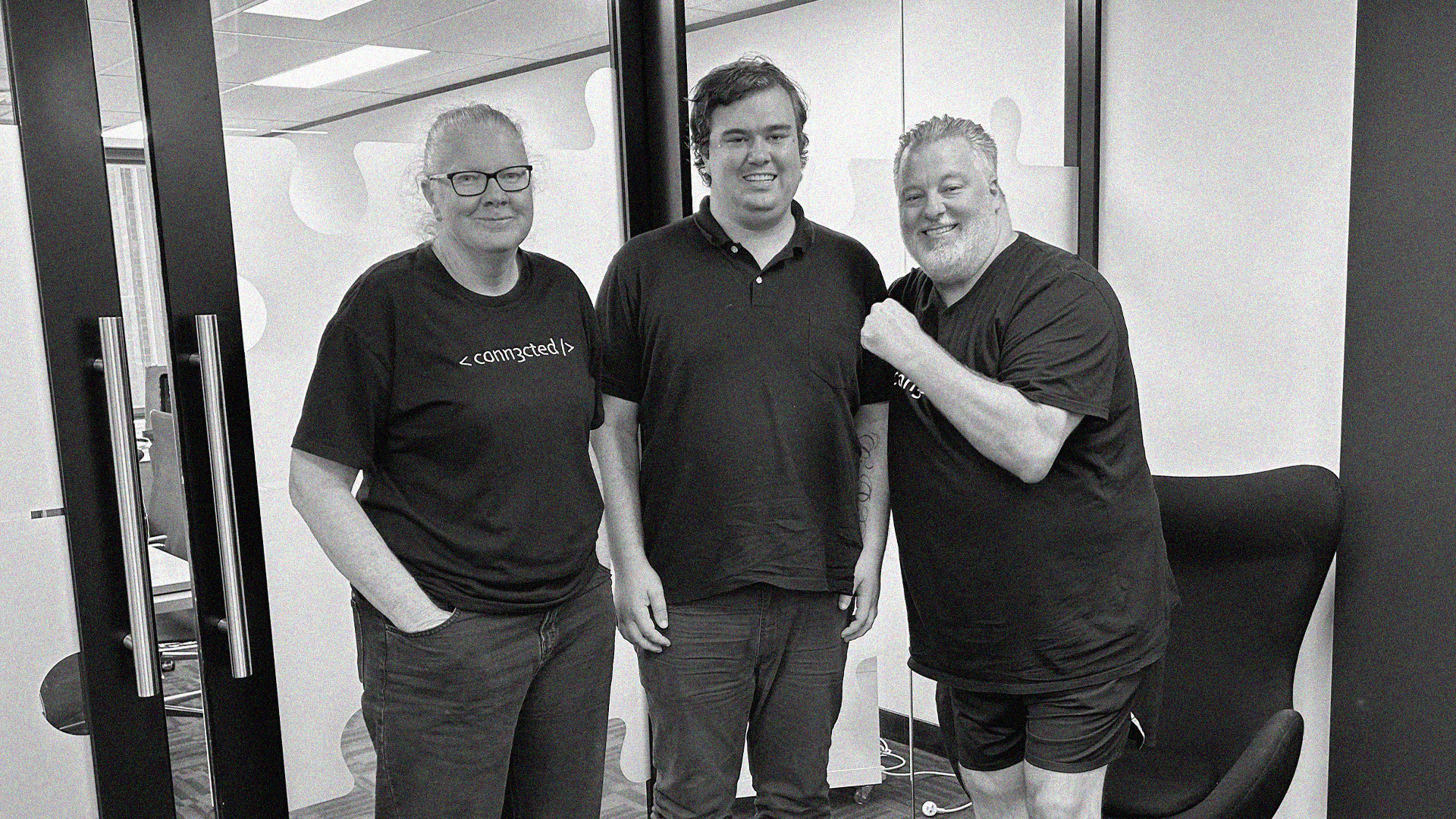
When people think about software development, they often picture code: lines of logic transforming ideas into working products. But as Cory discovered during his work experience at Conn3cted, great software doesn’t start with code. It starts with clarity.
”Requirements are important! Having a clear outline of what the software should and shouldn't do is good and helps make better software.
Coming into the placement, Cory had already built software independently. Like many developers early in their journey, he was used to working without strict guidelines: building freely, iterating quickly, and making decisions as he went.
But stepping into a professional environment revealed a very different reality.
From ideas to structured solutions
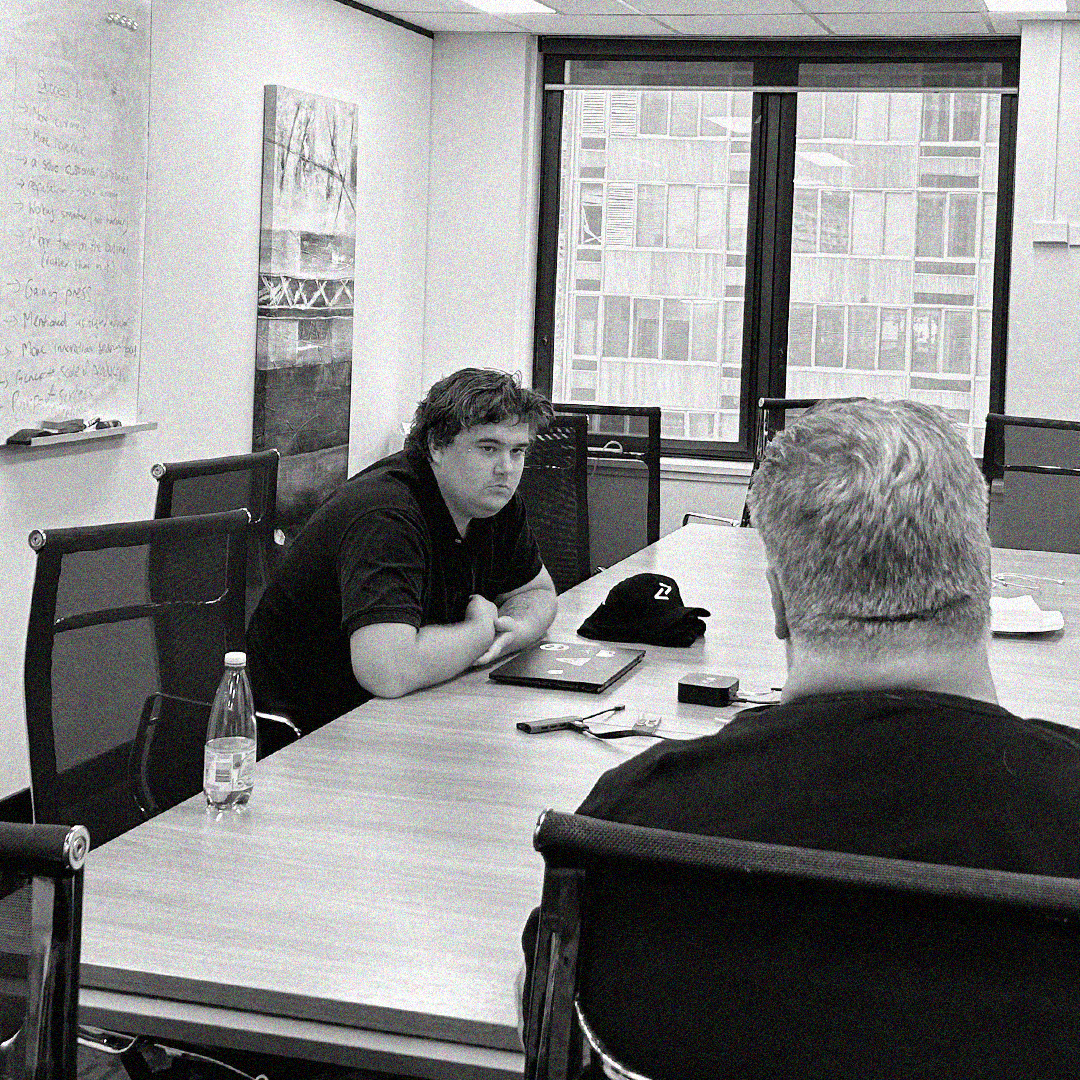
Software development follows a careful process of shaping and refinement before coding begins. Cory experienced how raw ideas evolve into structured, purposeful solutions:
- Clear requirements define the goal
- User stories break functionality into manageable parts
- SCRUM meetings maintain alignment across teams
- Collaboration keeps outcomes focused and consistent
”I wanted to experience the professional software development experience, from requirements to user stories to development to release.
Cory3rd year Macquarie Uni student
This structured approach centres on building the right solution with intention and direction.
The difference between learning and delivering
One of Cory’s biggest takeaways came from comparing academic work with real-world development.
The shift into a professional environment brings greater responsibility, where every feature, decision and priority is shaped by real user needs and business outcomes.
”At university you're given an assignment and you just do it. There is no formal planning or laying out of user stories. In the professional environment, you're developing for real people with real needs where corners can't be cut and the trade-offs made must be weighted against the client’s needs.
This shift encourages a focus on delivering value rather than simply completing tasks.
Why requirements drive better Software
Clear requirements support more than just individual developers – they bring entire teams into alignment. Cory observed how:
”Having a plan of how to implement those requirements in the form of user stories helps guide the software development process in the correct direction.
Without this foundation, projects can drift, require rework or fall short of expectations. With it, teams move forward with confidence and clarity.
Learning beyond the code
Some of the most valuable contributions during Cory’s placement came outside of writing code. Testing, observing behaviour, and documenting issues revealed the importance of quality assurance in building reliable systems.
”Understanding the testing process… helped me to document the bugs I found and then action on them.
This highlights how software development extends beyond implementation. Planning, communication, testing, and iteration all play a role in shaping the final product.
Key takeaways
Cory’s experience highlights a simple but important lesson: good software begins long before development starts. Structured requirements, collaborative planning, and shared understanding help teams build with purpose and direction.
Because in software development, some of the most valuable lessons come from understanding how work is planned, shaped, and delivered, not just how it is coded.